

Stress in the workplace has become a significant challenge for businesses. It’s linked to lower productivity, increased absenteeism, higher turnover, and declining employee morale, with costs to companies reaching billions each year. To counter this, many businesses are introducing wellness initiatives to support their teams and improve overall performance. One effective and straightforward solution is corporate chair massage, offering immediate relief for employees while providing measurable benefits for employers.
How can corporate chair massage benefit both employees and my business? Chair massage helps employees unwind, reduce stress, and relieve common issues like neck and back tension in a matter of minutes. This not only improves focus and energy but may also contributes to fewer sick days and higher morale among staff. For businesses, the benefits include improved productivity, lower turnover, and a stronger ability to attract and retain top talent. Beyond these measurable outcomes, providing such a wellness benefit enhances your company’s reputation as a place that genuinely values its employees.
This article will explore why corporate chair massage has become a popular choice for improving workplace wellness. You’ll learn about its advantages, how to implement it, and what to consider when starting a program. Whether you’re a business owner, manager, or HR professional, this guide will provide you with actionable insights to make your workplace healthier and more productive.
What Is Corporate Chair Massage?
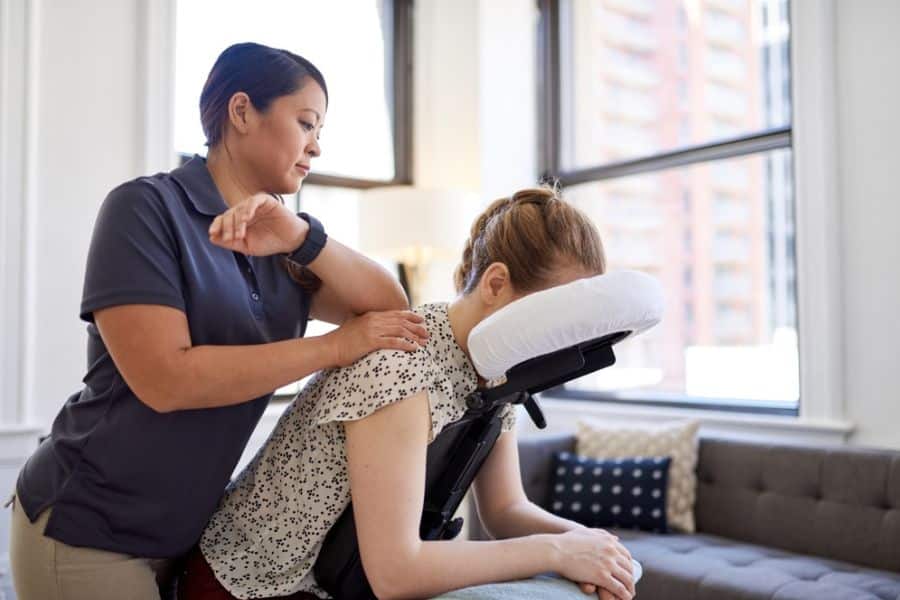
Corporate chair massage is a workplace wellness service designed to help employees relax and reduce tension during the workday. Unlike traditional massage sessions, these are brief and take place on-site with employees remaining fully clothed. Using a portable, ergonomic massage chair, therapists focus on relieving tension in common problem areas such as the neck, shoulders, back, arms, and hands. Because no oils or lotions are needed, the sessions are convenient and require minimal preparation.
In a corporate setting, chair massage sessions typically last between 10 to 20 minutes, making them easy to fit into even the busiest schedules. Professional massage therapists bring the necessary equipment and work in designated spaces like conference rooms or quiet corners of the office. With its compact design, the portable massage chair can be set up in small areas, making it a flexible option for businesses of any size. This convenience allows companies to provide employees with effective stress relief without significant disruptions to their day.
Chair massage fits seamlessly into various workplace events and initiatives. It’s a popular feature at wellness days, team-building events, or as part of ongoing employee wellness programs. Offering these sessions during high-pressure periods—like project deadlines or busy seasons—helps employees recharge and manage stress more effectively. Beyond individual benefits, regular access to chair massage can foster a supportive and positive work environment, contributing to overall morale and productivity.

How Corporate Chair Massage Benefits Employees and Businesses
Corporate chair massage provides practical benefits that improve both employee well-being and overall workplace performance. By addressing common stressors and physical discomforts, this wellness initiative creates a healthier and more productive environment. From reducing absenteeism to boosting morale, the advantages extend to both individuals and the organization as a whole.
For employees, mobile chair massage offers relief from the physical and mental toll of work. By reducing stress and alleviating muscle tension, employees feel more focused and energized throughout the day. Sessions are especially effective for addressing discomfort in areas like the neck, shoulders, and back caused by sitting for extended periods or performing repetitive tasks. Employees who receive wellness perks like seated mobile massage often report feeling more engaged and satisfied in their roles, contributing to a more motivated workforce.
Benefits for Employees:
- Reduces stress by lowering cortisol levels.
- Relieves muscle tension and physical discomfort.
- Improves focus and mental clarity.
- Addresses common workplace ailments like back and shoulder pain.
- Enhances morale and overall job satisfaction.
- Provides a wellness perk employees look forward to.
For businesses, the results are equally compelling. Employees who feel supported tend to perform at a higher level, leading to increased productivity. Regular access to wellness initiatives like seated massage reduces absenteeism by minimizing stress-related sick days. It also helps businesses retain top talent by demonstrating a commitment to employee well-being. These benefits contribute to a stronger, more positive company culture, which can attract new hires and reduce costly turnover.
Benefits for Businesses:
- Boosts productivity by helping employees recharge.
- Reduces absenteeism related to stress or physical discomfort.
- Enhances employee retention and reduces turnover costs.
- Improves workplace morale and team dynamics.
- Strengthens the company’s reputation as an employer of choice.
- Serves as an effective incentive, driving employee motivation and engagement.
Onsite chair massage is a scalable, cost-effective way to deliver measurable results for employees and employers alike. By improving the work experience and creating a healthier workplace culture, businesses that invest in this service often see returns that far exceed the initial cost.
Why Investing in Employees is Investing in Business Success
Many successful businesses consider employees their most valuable asset, and this perspective is supported by several practical reasons:
- Productivity and Innovation: Employees drive a company’s output and are often the source of new ideas, problem-solving, and creativity that help a business grow and adapt to change.
- Customer Experience: Employees directly interact with customers, influence satisfaction, and shape the reputation of the company. A motivated and skilled workforce can significantly improve customer retention and loyalty.
- Operational Efficiency: The skills, knowledge, and dedication of employees determine how efficiently tasks and processes are carried out.
- Adaptability: Employees are key to responding to new challenges, opportunities, and market trends, making them critical to a business’s resilience and sustainability.
- Cultural and Brand Ambassadors: Employees embody a company’s culture and values, playing a crucial role in attracting talent and maintaining a positive brand image.
While employees are invaluable, the extent to which they are an asset depends on how well the business invests in and supports its workforce. Providing training, wellness programs, and opportunities for growth enhances their value and aligns their success with the company’s goals.

Steps to Implement Corporate Chair Massage in Your Business
Implementing a corporate chair massage program involves a few key steps to ensure a successful and effective rollout. By following a structured approach, you can design a program that meets the needs of your employees and aligns with your business goals.
1. Assess Feasibility
Start by gauging interest among employees through a short survey. Ask about preferred session times, comfort levels with the idea, and any potential health concerns or limitations. Additionally, consider including a question about whether employees would be open to contributing a percentage of the session cost. This can help gauge feasibility for shared-cost models and ensure the program aligns with both employee expectations and your budget. This step provides valuable insights into how well the program will be received and how to design it for maximum participation and effectiveness.
2. Define Goals and Set a Budget
Determine what you aim to achieve with the program. Is your focus on reducing stress, improving morale, or enhancing productivity? Once goals are clear, allocate a budget that accounts for provider fees, equipment, and session frequency. For example, weekly or bi-weekly sessions may be ideal for larger teams, while smaller budgets might limit offerings to monthly events.
3. Choose a Qualified Service Provider
Select a licensed and insured massage therapist or service company with experience in workplace settings. Check reviews, testimonials, and references to confirm their reliability. Providers who bring portable massage chairs and offer flexible scheduling are ideal for minimizing logistical challenges.
4. Plan the Logistics
Identify a suitable location within your office, such as a quiet conference room or an unused break area, to host the sessions. Coordinate a schedule that aligns with employee availability, such as during lunch breaks or designated wellness hours. Ensure employees sign waivers acknowledging voluntary participation and compliance with any workplace regulations.
By following these steps, you can create a corporate chair massage program that supports employee well-being and improves overall workplace productivity. Thoughtful planning and execution will maximize the program’s impact while demonstrating your commitment to a healthier, happier workforce.
Costs and ROI of Corporate Chair Massage
When considering a corporate chair massage program, it’s important to understand both the costs involved and the potential return on investment (ROI). While calculating an exact ROI can be complex due to numerous variables, gaining a clear picture of potential expenses and benefits will help you decide if this wellness initiative aligns with your company’s goals and budget.
Understanding Costs
The cost of implementing a corporate chair massage program varies based on factors such as session length, frequency, the number of employees participating, and the therapists’ qualifications. Typically, providers charge an hourly rate ranging from $70 to $120 per therapist, or a per-minute rate of about $1 to $2 per minute per employee. Many providers offer package deals or discounts for long-term commitments, which can help manage and reduce overall costs.
To make the program more cost-effective, some companies opt to share expenses with employees through co-pay options for voluntary participation. This approach not only eases the financial load on the business but also allows employees to invest in their well-being, potentially increasing engagement and utilization rates.
Considering ROI
Calculating the precise ROI of a wellness program like corporate chair massage is challenging due to the intangible benefits and multiple influencing factors. However, many organizations observe positive outcomes that can indirectly affect their bottom line. Here are some key areas where benefits may manifest:
- Reduced Absenteeism: Regular massage sessions can help alleviate stress and muscle tension, potentially leading to fewer sick days and reduced downtime.
- Enhanced Productivity: Employees who feel relaxed and valued often exhibit increased focus and efficiency, contributing to better overall performance.
- Improved Employee Morale: Offering wellness initiatives shows a commitment to employee well-being, which can boost morale and foster a positive workplace atmosphere.
- Lower Turnover Rates: Investing in employee health can enhance job satisfaction, encouraging employees to stay with the company longer and reducing costs associated with hiring and training new staff.
While these benefits may not be immediately quantifiable, over time they can contribute to a healthier, more productive workforce, which can positively impact your company’s performance and profitability.
Making an Informed Decision
To assess whether a corporate chair massage program is right for your organization:
- Pilot the Program: Consider starting with a trial period to gauge employee interest and monitor for any noticeable benefits.
- Gather Feedback: Solicit input from employees to understand their needs and preferences regarding wellness initiatives.
- Measure Impact: Although challenging, attempt to track metrics such as employee satisfaction scores, absenteeism rates, and turnover before and after implementing the program.
Remember, investing in employee well-being is not just about immediate financial returns; it’s a strategic move towards fostering a supportive work environment that values and promotes the health and happiness of your team.
Tax and Insurance Considerations
Before implementing a program, consult a tax professional to determine whether the expenses are deductible as part of your business operations. Many wellness programs qualify for deductions, making them even more cost-effective. Additionally, ensure your massage provider carries liability insurance to protect against any unforeseen incidents. Reviewing your own company’s insurance policies may also be necessary to confirm coverage for on-site wellness activities.
Corporate chair massage programs are an investment in employee well-being and workplace productivity. By understanding costs, leveraging tax benefits, and measuring ROI, you can make informed decisions that benefit both your employees and your bottom line.
Tips for Maximizing Engagement and Benefits
For your corporate chair massage program to succeed, employees need to know about it, feel confident participating, and see value in the experience. Focusing on communication, accessibility, and integration will help you achieve these goals and maximize the program’s impact.
Promote the program clearly and effectively. Use a mix of communication channels, such as emails, team meetings, and intranet posts, to share details about the initiative. Emphasize key massage benefits like stress relief, reduced muscle tension, and improved focus to capture interest. Address common concerns upfront, including questions about any costs, session duration, and how massages fit into work schedules. A clear FAQ or instructional guide can help ease hesitations and encourage participation.
Ensure fair access for all employees. A transparent booking system, like an online scheduling tool, or even just a centrally posted sign-up sheet for small companies, makes it easy for employees to reserve sessions. To manage demand, consider offering sessions at various times throughout the day or rotating access between teams. If participation exceeds capacity, you can add more therapists or increase the frequency of sessions to accommodate interest.
Integrate the program into broader wellness initiatives for greater impact. Pair chair massage sessions with other offerings, such as yoga classes, meditation workshops, or ergonomic assessments. For example, an ergonomic assessment could complement the physical benefits of massage by addressing posture-related issues, while mindfulness sessions can amplify relaxation and mental health. This holistic approach ensures that employees benefit in multiple ways.
Gather feedback to keep improving. Use anonymous surveys or suggestion boxes to learn what employees think about the new on-site massage program. Ask questions about session quality, scheduling, and overall satisfaction. This input allows you to fine-tune the program, ensuring it meets employee needs and remains effective over time.
By promoting the program effectively, offering fair access, integrating it with other wellness services, and using employee feedback, you can create a chair massage initiative that delivers significant value to your workforce and supports overall workplace well-being.
Addressing Challenges and Risks in Corporate Chair Massage Programs
Implementing a corporate chair massage program offers numerous benefits, but it’s essential to anticipate and address potential challenges to ensure its success. Here are key obstacles businesses might face and strategies to overcome them:
| Challenge | Description | Solution |
|---|---|---|
| Cost Management | Initial expenses for therapist fees and equipment can strain budgets. | Start with a pilot program or schedule massages less frequently, such as monthly. Consider a shared-cost model where employees contribute a small fee to make the program more affordable. |
| Scheduling Conflicts | Coordinating massage sessions without disrupting daily operations. | Utilize online scheduling tools to allow employees to book convenient times. Offer sessions during lunch breaks or after peak work hours to minimize interruptions. |
| Space Allocation | Finding a quiet, private area for massages, especially in smaller offices. | Use unused conference rooms or break areas. Portable privacy screens can create a comfortable environment without needing dedicated spaces. |
| Therapist Reliability | Ensuring therapists are punctual, professional, and consistent in service quality. | Vet providers by checking reviews and references. Set clear expectations regarding punctuality and service standards to maintain reliability. |
| Employee Participation | Encouraging sufficient employee engagement to justify the investment. | Promote the program through emails, posters, and team meetings, highlighting benefits like stress reduction and improved focus. Share testimonials from early participants to boost interest. |
| Privacy Concerns | Employees may worry about confidentiality and comfort during sessions. | Conduct massages in semi-private or private areas. Assure employees that participation is voluntary and confidential, fostering a trusting environment. |
| Liability Issues | Protecting the company from potential legal claims related to injuries or accidents during sessions. | Ensure therapists are licensed and insured. Have employees sign waivers that outline the program’s scope and any associated risks. Implement pre-session health screenings to minimize complications. |
| Hygiene Standards | Maintaining cleanliness to prevent the spread of germs. | Require therapists to sanitize the chair between sessions and follow strict handwashing protocols. Provide hand sanitizer and disinfectant wipes in the massage area to reassure employees about hygiene practices. |
| Measuring Effectiveness | Assessing the program’s impact on employee well-being and productivity. | Collect feedback through surveys and track metrics like absenteeism and productivity before and after implementation. This data helps evaluate ROI and identify areas for improvement. |
| Cultural Fit | Ensuring the massage program aligns with the company’s values and wellness goals. | Integrate the massage program into a broader wellness initiative, emphasizing its role in supporting employee health and productivity. This alignment fosters acceptance and reinforces the program’s purpose. |
| Resistance to Change | Overcoming skepticism or reluctance from employees. | Provide clear information about the benefits and offer a free trial session or wellness day to encourage participation. A no-pressure approach can help employees feel more comfortable exploring the service. |
| Workplace Interruptions | Managing noise and distractions from massage sessions. | Position the massage area away from high-traffic zones and use white noise machines or calming music to mask sounds. Scheduling sessions during quieter times reduces potential disruptions. |
| Regulatory Compliance | Adhering to local health and safety regulations for workplace wellness services. | Ensure the program complies with all relevant regulations, including hygiene standards and employee safety protocols. Regularly review compliance to avoid legal issues. |
| Managing Cancellations | Handling last-minute cancellations or no-shows can disrupt the schedule. | Establish a clear cancellation policy and implement a waitlist system to fill unused slots. This approach maintains the program’s efficiency and reduces wasted time. |
By proactively addressing these challenges, businesses can establish a successful corporate chair massage program that enhances employee well-being and contributes to a positive and productive workplace environment. Proper planning and ongoing management ensure that the program delivers its intended benefits while minimizing potential risks.
Research on Corporate Chair Massage
Workplace Massage Therapy Reduces Employee Strain
In a 2009 study, Day et al. investigated the effects of workplace-based massage therapy on employee strain and blood pressure. Twenty-eight employees were randomly assigned to either an experimental group that received weekly 20-minute massage sessions for four weeks or a control group that did not receive any treatment. The results showed that the experimental group experienced significant reductions in both psychological strain, measured by the Bartone Strain Scale, and blood pressure over the treatment period. In contrast, the control group did not exhibit significant changes in these measures. The study concludes that workplace massage therapy can be an effective component of a comprehensive health strategy to reduce employee strain and improve physiological health.
Massage Therapy Enhances Health Outcomes
Rich (2010) examines the current state of massage therapy research and its significance for professional psychology practice. The article highlights that massage therapy has been shown to effectively reduce pain, anxiety, and depression across various populations, from premature infants to the elderly. Rich discusses how massage therapy can alleviate stress-related symptoms, improve immune function, and enhance overall well-being. The author also addresses the importance of understanding the training, certification, and licensure of massage therapists to ensure safe and appropriate referrals. The article underscores the potential for massage therapy to be integrated into multidisciplinary approaches to health care, emphasizing its relevance for psychologists and other health professionals.
Workplace Massage Reduces Stress
Lane (2011) conducted an exploratory study to investigate the impact of workplace massage on employees’ perceived stress levels. The research involved participants from a corporate setting who received regular on-site massage sessions over a specific period. Using a mixed-methods approach that included surveys and interviews, the study found that employees reported significant reductions in stress and improvements in well-being after participating in the massage program. The findings suggest that incorporating massage therapy into the workplace can be an effective strategy for reducing employee stress and enhancing overall job satisfaction.
Integrating Massage and Meditation in the Workplace
Bucu (2012) conducted a qualitative study using grounded theory and exploratory case methodologies to investigate the potential integration of massage and meditation into workplace wellness programs. Analyzing 25 workplace studies and three meta-analyses, the research found that both modalities effectively reduce stress and anxiety while improving mood, alertness, and self-awareness among employees. The study concludes that massage and meditation are cost-effective, easy to implement, and have high utilization rates, suggesting that spas and wellness centers are well-positioned to provide these therapies to enhance employee wellness in the workplace.
Chair Massage Enhances Employee Wellness
Cabak et al. (2017) conducted a randomized controlled trial to evaluate the impact of workplace chair massage on relieving musculoskeletal strain and enhancing psychosomatic balance in white-collar workers. The study involved 124 participants who were randomly assigned to three groups: a chair massage group, a relaxing music group, and a control group. Over four weeks, the chair massage group received bi-weekly 15-minute massage sessions. The results showed that participants in the chair massage group experienced a significant increase in pain threshold across all tested neck muscles (p < 0.001) and improved relaxation levels (from 31.9% to 41.6%, p < 0.05). The relaxing music group showed some improvement in relaxation but not in pain thresholds, while the control group exhibited no significant changes. The study concludes that workplace chair massage is an effective method for preventing musculoskeletal overstrain and promoting psychosomatic well-being among office employees.
Summary and Next Steps
Corporate chair massage offers a simple and effective way to enhance employee well-being while driving measurable business outcomes. By reducing stress, improving focus, and addressing physical discomfort, it helps employees feel and perform better. For businesses, the rewards may include greater productivity, fewer sick days, and improved retention, all of which contribute to long-term success. Adding chair massage to your wellness initiatives demonstrates a commitment to fostering a healthier and more supportive workplace.
To get started, research professional service providers who specialize in workplace massage. Look for providers who are licensed, insured, and experienced with corporate clients. Begin with a pilot program to test employee interest and gather feedback. Clearly define your goals, set a budget, and use simple scheduling tools to make participation easy. As you monitor the program’s success, refine and scale it to maximize its impact across your organization.
Now is the time to explore how corporate chair massage can support your business goals. Begin by contacting reputable providers or exploring our recommended resources to find the right fit. With thoughtful planning, you can create a wellness initiative that strengthens your workplace culture and delivers lasting benefits for employees and your organization.
FAQ
How much does a corporate chair massage program cost per session?
The cost of a corporate chair massage program depends on factors like session duration, the provider’s experience, and how often sessions are held. Rates typically range from $70 to $120 per hour or about $1 to $2 per minute for shorter sessions. For businesses seeking regular sessions, many providers offer discounts for package deals, making programs more budget-friendly. For example, hosting monthly 15-minute sessions for 30 employees might cost between $450 and $900 per month, depending on the provider. Another option to manage expenses is introducing a co-pay system, where employees cover part of the cost, allowing the company to provide wellness benefits without taking on the full expense.
What certifications or licenses should I look for when hiring corporate massage therapist?
When hiring a corporate massage therapist, ensure they hold a valid massage license issued by your state, as this is a legal requirement in most states. A license confirms that the therapist has completed the necessary training hours, passed state-approved exams, and is qualified to practice professionally. Beyond their formal massage credentials, evaluate their experience with corporate or workplace environments, where shorter sessions and professionalism are critical. Verify that they carry massage liability insurance, which protects your business from potential claims or incidents during sessions.
Additionally, consider the massage therapist qualities that align with your business values. Look for someone who is punctual, reliable, and competent, as these traits are essential when working in a professional environment. Request references from previous corporate clients to confirm their ability to adapt to a workplace setting. Taking the time to verify both their technical qualifications and personal qualities ensures a positive experience for employees and minimizes potential risks.
Is it better to hire an in-house massage therapist or hire an independent contract therapist?
For most businesses, hiring an independent contract therapist is a more flexible and cost-effective option, as they can be scheduled only when needed, such as for monthly sessions or wellness events. Contract therapists do not require benefits or a steady workload, making them ideal for occasional programs. On the other hand, if your company has many employees and offers regular massage services, such as daily or weekly sessions, an in-house therapist might be more efficient. While this option comes with added responsibilities, such as payroll and employee management, it ensures consistent availability and could lower per-session costs over time. Carefully evaluate your frequency of service needs and budget to determine which approach aligns better with your business goals.
Can corporate chair massage be tax-deductible for my business?
Corporate chair massage programs may qualify as tax-deductible business expenses if they meet IRS requirements for improving employee health or productivity. For instance, offering chair massages as part of a wellness initiative or to alleviate workplace stress can align with these criteria. Document all expenses, such as invoices and program descriptions, to support the deduction. Eligibility may vary based on how the program is structured, so consulting a tax professional is essential to ensure compliance with tax laws.
Disclaimer: Always seek professional tax advice to address your specific situation.
What is the ideal session length for workplace chair massages?
Workplace chair massages are most effective when sessions last 10 to 20 minutes. A 10-minute session provides quick stress relief and fits easily into a packed workday, while 20-minute sessions allow therapists to address common tension points like the neck, shoulders, and lower back more thoroughly. For companies with larger teams, sticking to uniform session lengths can simplify scheduling and ensure as many employees as possible benefit. Adjust session times based on the size of your team and the goals of your wellness program to maximize impact.
How can I measure the ROI of offering corporate chair massage?
Measuring the ROI of a corporate chair massage program starts with tracking key metrics like absenteeism, turnover, and productivity before and after implementation. For example, a reduction in sick days or an increase in task completion rates can indicate a direct impact on efficiency. Employee surveys can add qualitative insights, such as improved morale or reduced stress levels. To calculate ROI, compare the total program costs against the financial savings, such as lower hiring expenses from reduced turnover or improved output due to fewer productivity losses. Documenting these changes over time provides a clear picture of the program’s value.
Are there health conditions that make employees ineligible for chair massage?
Employees with specific health conditions, such as recent surgeries, severe osteoporosis, or contagious skin conditions, may not be suitable candidates for chair massage. These massage contraindications are important to identify, as massage could interfere with recovery, exacerbate symptoms, or cause other unwanted side effects. Pregnant employees should consult their healthcare provider before participating, particularly during the first trimester. Licensed massage therapists typically conduct pre-session health screenings to identify any contraindications and adjust techniques when needed. Sharing clear eligibility guidelines with employees helps ensure their safety and comfort while maintaining the integrity of the program.
What space requirements are needed to host chair massage sessions in an office?
Chair massage sessions typically need a private or semi-private area measuring approximately 6 feet by 6 feet at a minimum. This space provides enough room for the massage chair, therapist, and unrestricted movement during the session. Suitable locations include conference rooms, break areas, or a quiet corner with minimal noise and distractions. Ensure the space is clean and accessible, with enough lighting and ventilation for comfort. If additional equipment is used, such as fans or sanitation devices, proximity to a power outlet may also be required. A nearby restroom is ideal, providing a place for the therapist to wash their hands and for employees to freshen up or adjust their hair and makeup after their session.
How often should I offer chair massage sessions to employees?
How often you offer chair massage sessions depends on the needs of your employees and the resources available. Weekly or bi-weekly sessions are ideal for maintaining consistent stress relief, especially in high-pressure work environments. Monthly sessions can still provide meaningful benefits and are a practical option for companies managing limited budgets. Surveying employees about their preferences and observing participation rates during a trial period can help you decide on the best schedule for your team.
What should employees expect during a corporate chair massage session?
Employees receiving a corporate chair massage remain fully clothed and sit in an ergonomic chair designed for comfort and accessibility. Before the session begins, employees are typically asked to complete a brief massage form, such as a liability waiver, and provide their informed consent to participate. This step often includes a short consultation, where the therapist ensures the massage is safe for the employee and discusses any specific target areas or preferences. The therapist focuses on common tension points, such as the neck, shoulders, back, and arms, using techniques that do not require oils or lotions. Sessions generally last 10 to 20 minutes, offering noticeable stress relief without disrupting the workday. Employees should feel relaxed and recharged afterward, making it an effective wellness break.
Can chair massage providers customize sessions for specific employee needs?
Chair massage providers frequently adapt sessions to meet specific employee needs. A brief consultation before the session allows the therapist to address areas of concern, such as neck stiffness, shoulder tension, or wrist discomfort from repetitive tasks. Techniques and pressure levels can be adjusted based on individual preferences to ensure maximum comfort and effectiveness. For instance, employees experiencing lower back pain from prolonged sitting may receive focused attention in that area. Open communication helps therapists deliver a session that effectively targets the employee’s unique concerns.
References
Day, A. L., Gillan, L., Francis, L., Kelloway, E. K., & Natarajan, M. (2009). Massage therapy in the workplace: Reducing employee strain and blood pressure. Giornale Italiano di Medicina del Lavoro ed Ergonomia, 31(3 Suppl B), B25–B30.
Rich, G. J. (2010). Massage therapy: Significance and relevance to professional practice. Professional Psychology: Research and Practice, 41(4), 325–332. DOI: 10.1037/a0019461
Lane, D. N. (2011). Workplace Massage: An Exploratory Study of Perceived Stress Reduction of Employees (Doctoral dissertation). Victoria University, Melbourne, Australia.
Bucu, A. (2012). Massage and Meditation: A Case for Wellness Practice in the Workplace (Master’s thesis). RMIT University, Melbourne, Australia.
Cabak, A., Mikicin, M., Łyp, M., Stanisławska, I., Kaczor, R., & Tomaszewski, W. (2017). Preventive Chair Massage with Algometry to Maintain Psychosomatic Balance in White-Collar Workers. Advances in Experimental Medicine and Biology – Neuroscience and Respiration, 34, 77–84. DOI: 10.1007/5584_2017_45