
Professional Practice – Introduction to Guidelines for Professional Practice
Introduction to Guidelines for Professional Practice
Introduction
This section of the MBLEx covers the essential standards and responsibilities of a professional massage therapist. It accounts for 15% of the exam and emphasizes safety for both the client and therapist, as well as the business and professional aspects of running a successful practice. Understanding these guidelines ensures ethical, effective, and legally compliant practice. The MBLEx content outline includes the following topics:

Safety and Hygiene
Massage therapy is a hands-on profession, making safety and hygiene essential aspects of practice. Proper protocols not only protect the therapist and client but also create a professional and welcoming environment. This section introduces the foundational safety measures all therapists must follow, including:
- Proper and safe use of equipment and supplies – Understanding how to correctly use tables, bolsters, lotions, and other tools to avoid injury and ensure hygiene.
- Therapist hygiene – Maintaining personal cleanliness, including handwashing, appropriate attire, and short, clean fingernails to present a professional image and prevent cross-contamination.
- Sanitation and cleanliness – Keeping the treatment space disinfected and adhering to local health regulations for a safe working environment.
- Safety practices – Recognizing and addressing potential hazards, such as trip hazards, improper lifting techniques, or poor ventilation.
- Facility standards and requirements – Ensuring the workspace is clean, accessible, and compliant with regulations for lighting, air quality, and overall client comfort.
- Therapist personal safety – Learning situational awareness, setting professional boundaries, and taking precautions to work in a safe environment.
- Client safety – Recognizing contraindications for massage, assessing client health conditions, and using appropriate techniques to prevent harm.
- Therapist self-care – Avoiding overwork, repetitive strain injuries, and emotional burnout to sustain a long, healthy career.
- Body mechanics to protect hands, back, and joints – Using proper posture, stances, and movements to prevent fatigue and injury over time.
- Use of protective gear (masks, gowns, gloves, etc.) – Understanding when personal protective equipment (PPE) is necessary for specific client conditions or public health concerns.
- Injury prevention and ergonomics – Developing habits that reduce stress on the body, including workstation setup and mindful movement techniques.
Draping and Client Privacy
Draping is more than just covering the client—it’s about respect, comfort, professionalism, and creating a safe space for relaxation. Therapists must understand how to use draping techniques to ensure:
- Safe and appropriate draping techniques – Proper positioning of sheets or towels to allow effective treatment while maintaining professionalism.
- Maintaining client dignity and comfort – Adjusting draping to respect the client’s modesty, comfort level, and cultural or personal preferences.
Communication
Successful massage therapists use effective communication to shape the client experience, build trust, and ensure expectations are clear. This includes:
- Professional and effective client communication – Using clear, respectful language to discuss client needs, treatment plans, and any necessary precautions.
- Setting boundaries and managing client expectations – Ensuring that clients understand the scope of massage therapy and preventing misunderstandings about services.
- Addressing client concerns with professionalism – Handling discomfort, dissatisfaction, or special requests in a way that upholds both professionalism and client-centered care.
Business Practices
A successful massage therapist must understand the business aspects of their profession. Whether working independently or within a larger practice, business fundamentals are essential. This section provides an introduction to:
- Business and strategic planning – Setting goals, creating a sustainable career path, and understanding the financial aspects of a massage practice.
- Office management – Managing scheduling, payments, and client records to keep operations running smoothly.
- Marketing strategies for massage therapists – Learning how to attract and retain clients through online presence, word-of-mouth referrals, and community outreach.
- Hiring and interviewing employees – For those managing a business, understanding how to recruit, interview, and onboard staff effectively.
- Documentation and record-keeping (client records, business records, tax records) – Keeping accurate records for both legal compliance and client safety.
- Understanding healthcare and business terminology – Becoming familiar with industry-specific language to communicate effectively with other healthcare professionals and clients.
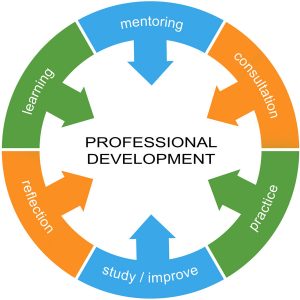
Professional Development
Being a professional in any field means striving for excellence, which includes ongoing learning and growth. A massage therapist should continuously seek to expand their knowledge and refine their skills through multiple avenues:
- Continuing education courses (e.g., advanced massage techniques, deeper understanding of anatomy and physiology, practice management strategies)
- Reading and independent study (journals, textbooks, online resources)
- Learning from colleagues and mentors (observing seasoned therapists, peer discussions)
What Defines Professionalism?
Professionalism is more than just being skilled at massage; it encompasses behavior, attitude, and a commitment to high standards. A professional massage therapist is distinguished by:
- Competence and expertise
- Ethical and conscientious conduct
- Confidence in their skills and decision-making
- Effective communication with clients and colleagues
- A professional image, including dress, demeanor, and hygiene
- Time management and productivity
- A proactive and solution-oriented mindset
Experience alone does not define professionalism. A therapist who actively learns and improves for 10 years gains true expertise, while a therapist who stops learning after the first year essentially repeats that same experience without growth.
Practicing and Developing Professionalism
Massage therapists can maintain and elevate their professionalism by:
- Providing high-quality, effective treatments
- Staying informed on new research and industry developments
- Communicating clearly and professionally with clients and co-workers
- Presenting themselves with a professional appearance and demeanor
- Managing time effectively and staying organized
- Maintaining a positive and client-focused attitude
- Seeking solutions rather than dwelling on problems
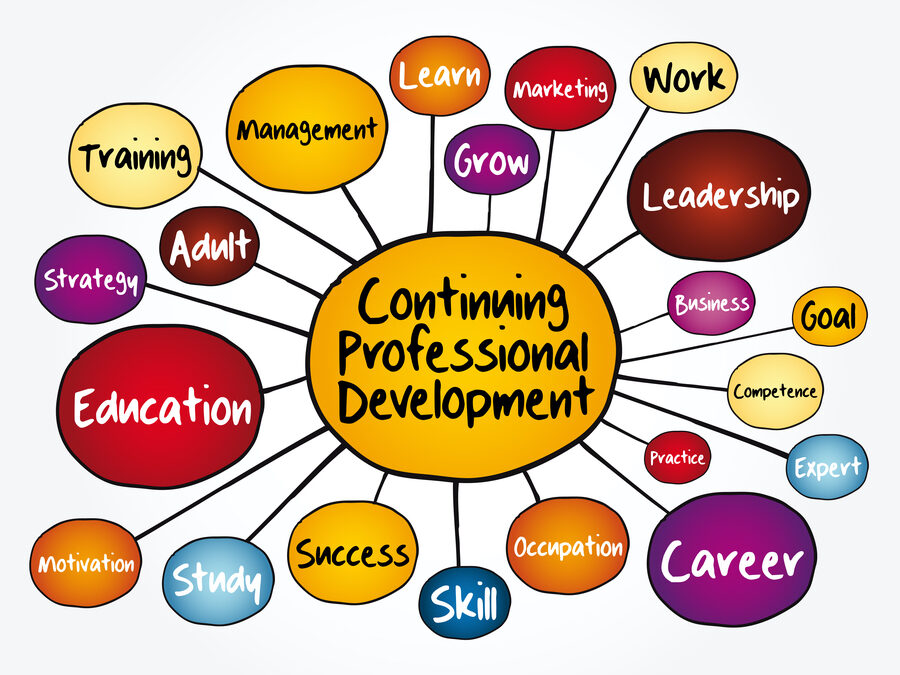
The Role of Continuing Education
Continuing education is essential for maintaining competency, learning new techniques, and staying updated on industry standards. It allows therapists to:
- Improve treatment outcomes by refining existing skills and adapting to new research findings
- Expand their expertise by learning specialized modalities (e.g., sports massage, lymphatic drainage)
- Stay current with regulations, ethics, and evolving healthcare practices
- Build confidence and credibility in their practice
By committing to lifelong learning and professionalism, massage therapists not only enhance their careers but also provide the highest level of care to their clients.